
Healthy soil
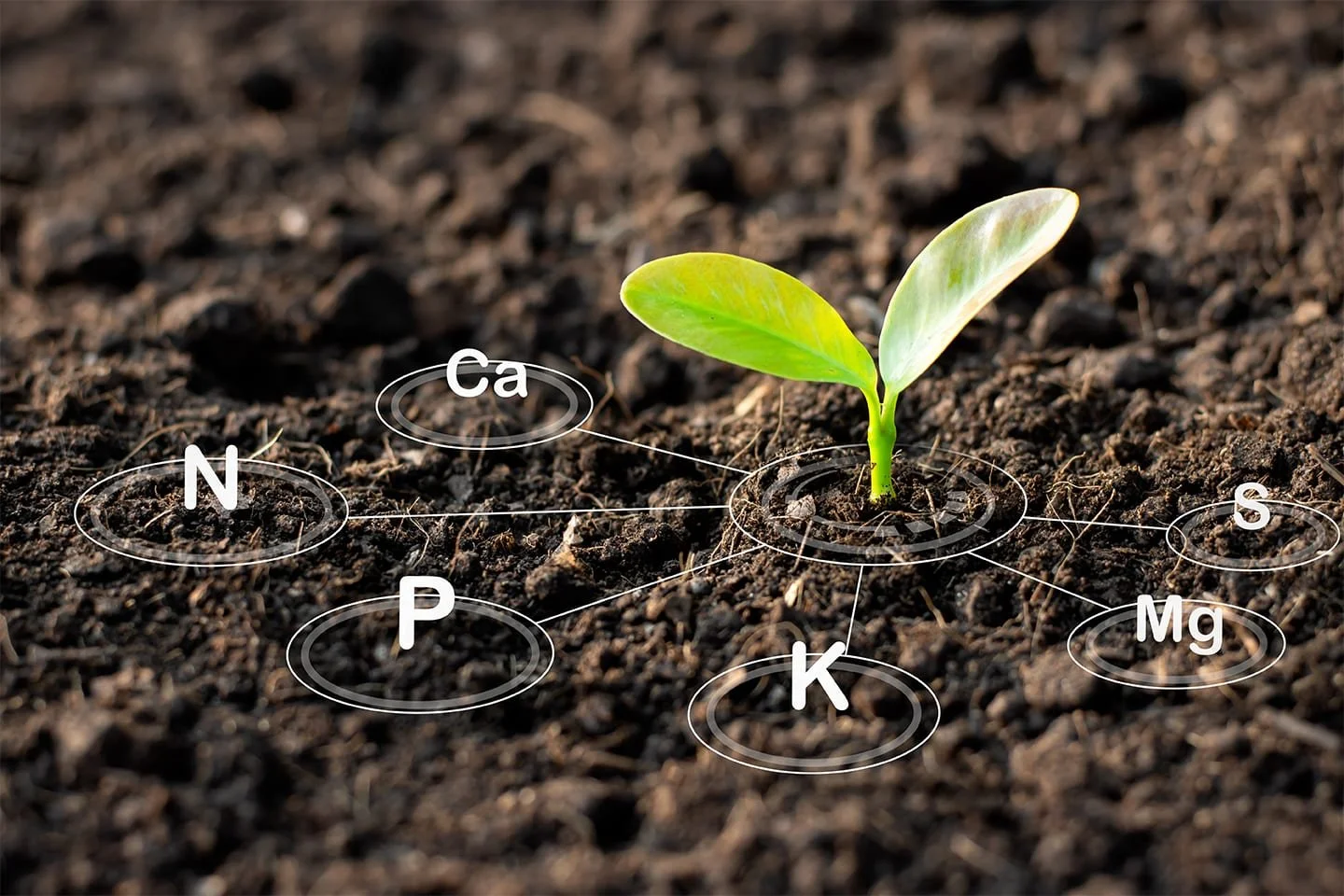
SOM is a reservoir of nitrogen, phosphorus, potassium, sulfur and micronutrients. As it decomposes, it releases them slowly in forms plants can absorb, reducing leaching.
Every farm has its own protocols to guarantee production, and any change can add risk. That’s why we don’t ask you to change a thing.
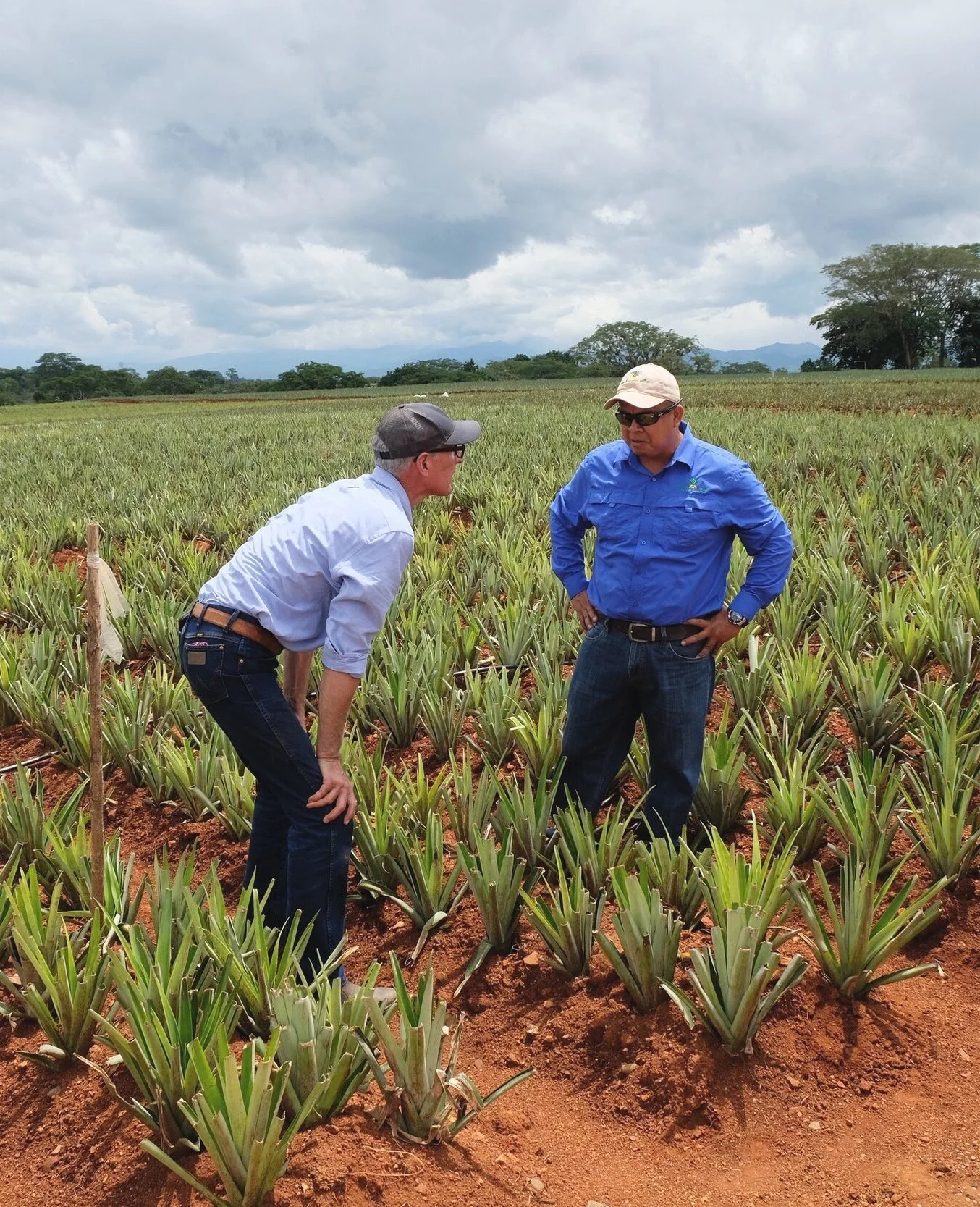
Conventional or organic, flood or drip, pasture or greenhouse: you have your own system for growing, and we integrate our products and protocols into it, naturally.
Urth works within your existing system to customize a solution that creates less work and reduces costs. Unlike so many conventional agriculture products, ours have zero negative impact on the environment. Blending best practices from nature’s playbook with yours, the results can be astounding.
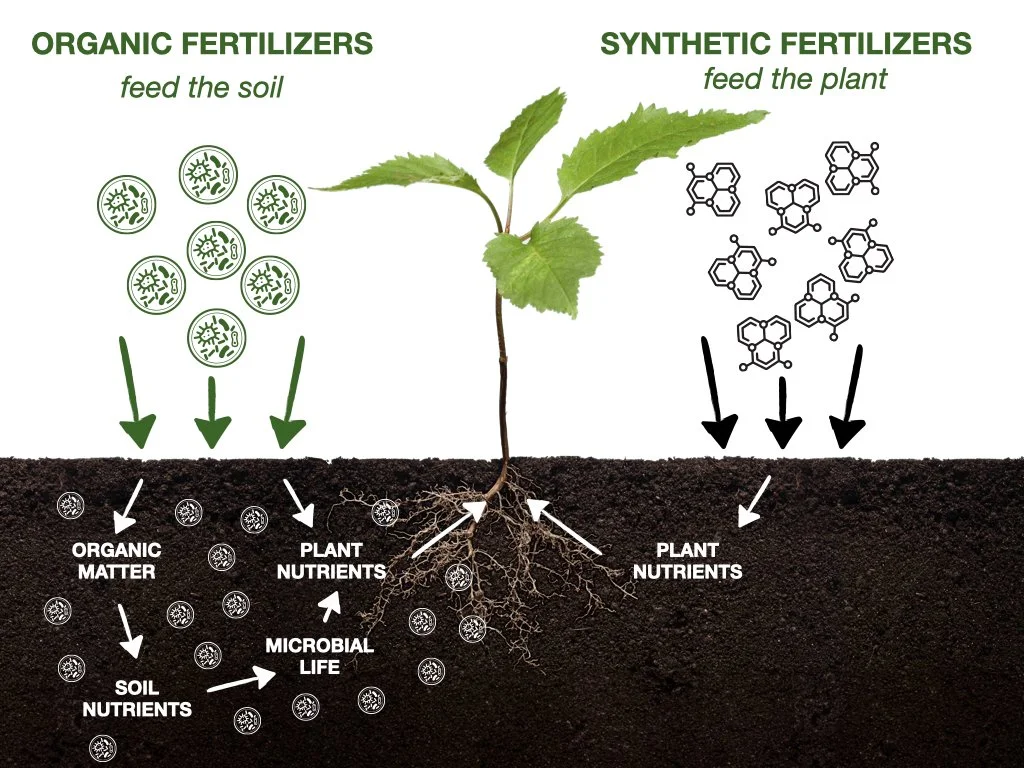
Soil organic matter is critical to soil health, crop production and agricultural sustainability. Our proprietary SOM protocol drives nutrient availability and retention, leading to better harvests, less watering and the stabilization of nitrogen.
With no added labor or changes to your systems, Urth applications work within your infrastructure and can show significant SOM increases, and more profitable harvests, year after year.
SOM is a reservoir of nitrogen, phosphorus, potassium, sulfur and micronutrients. As it decomposes, it releases them slowly in forms plants can absorb, reducing leaching.
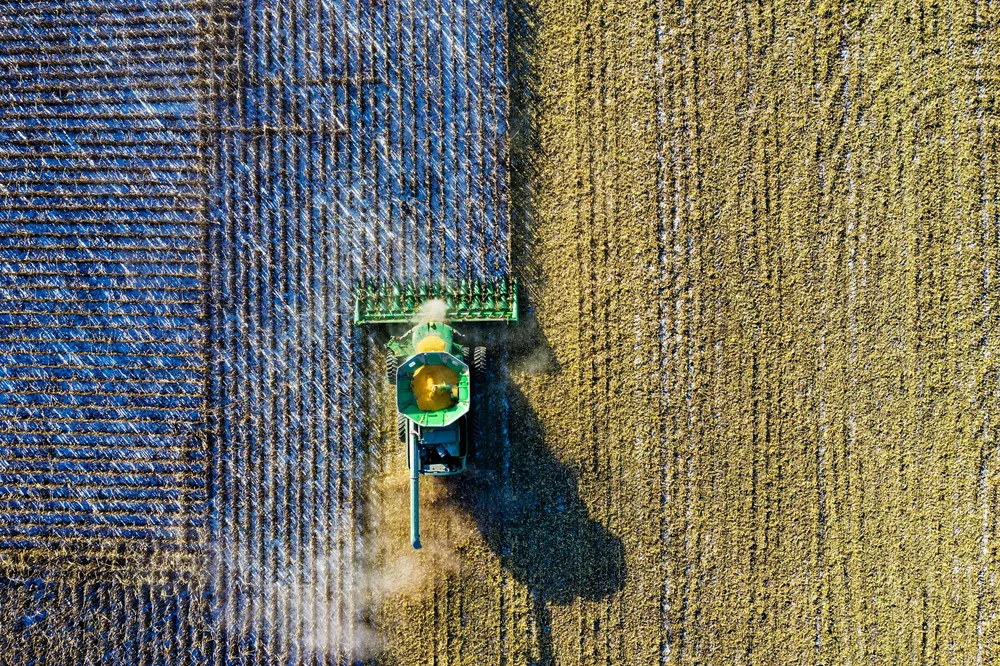
Better nutrient availability, water-holding capacity and balanced pH mean more abundant growth, higher °Brix and more resilient crops year after year.
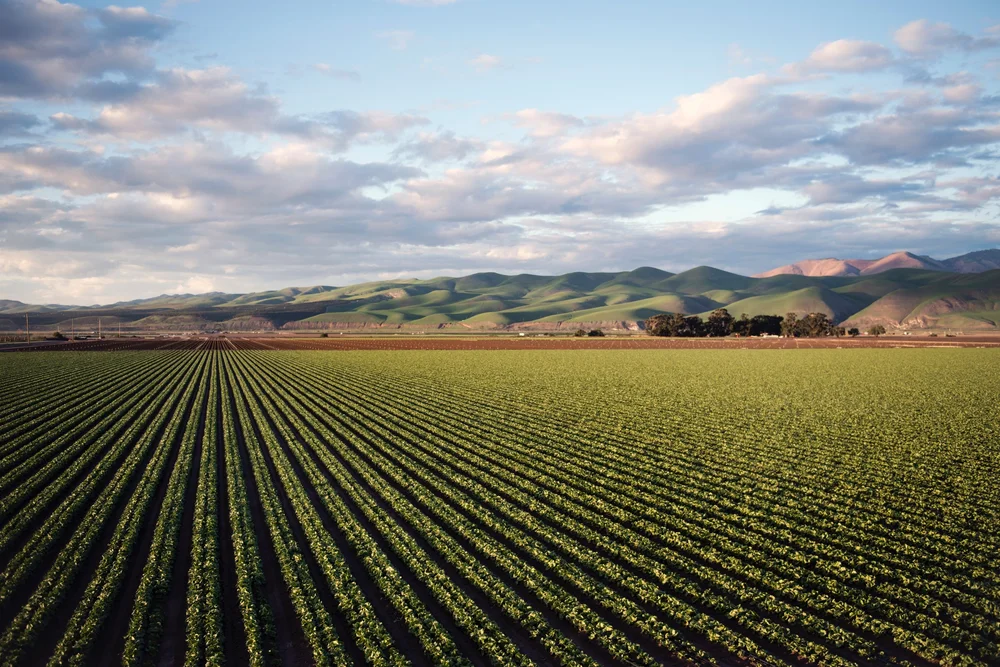
SOM building is the cornerstone of sustainable agriculture, leading to more resilient, productive farms while contributing to conservation and climate goals.
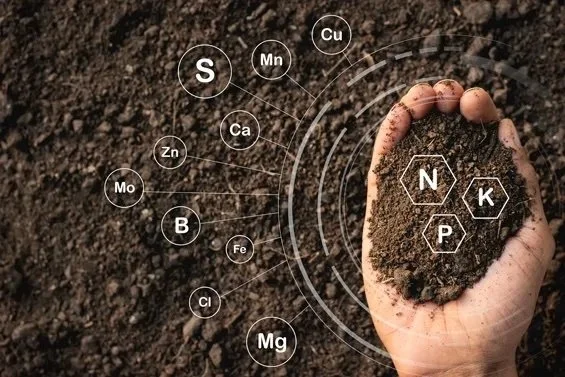
SOM improves the soil’s capacity to store and supply nitrogen, phosphorus, potassium, calcium and magnesium, and to retain toxic elements. It helps soil cope with changes in acidity and helps minerals decompose faster.
Soil organic matter is a reservoir of nitrogen, phosphorus, potassium, sulfur and micronutrients. As it decomposes, these are released in forms plants absorb readily. The slow, steady release reduces leaching and sustains the crop.
Organic matter binds soil particles into aggregates that create pores and channels, improving infiltration, drainage and aeration. Good structure prevents compaction and erosion and lets roots reach water and nutrients.
Organic matter increases water-holding capacity, which matters most in dry periods. Better structure also reduces runoff and erosion and promotes efficient water use.
SOM is a vital food source for bacteria, fungi and other decomposers. They break down organic materials and release nutrients plants can use, keeping the soil ecosystem productive.
Organic matter buffers against drastic pH swings and helps hold the slightly acidic to neutral range that is best for nutrient availability and uptake.
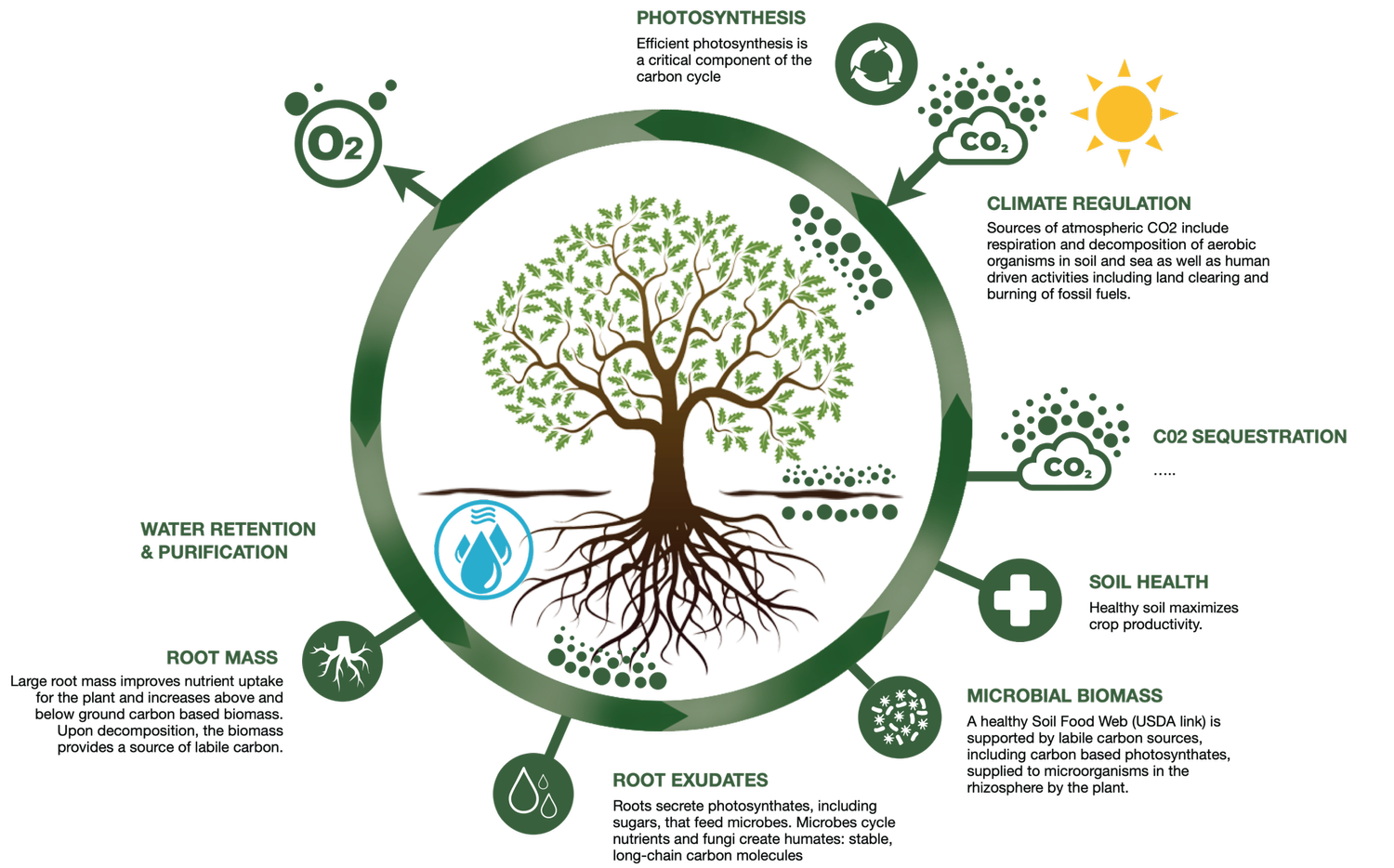
Soil organic matter is a major carbon reservoir. Raising soil organic carbon pulls carbon dioxide from the atmosphere. More on carbon and climate.
Better nutrient availability, water-holding capacity and balanced pH contribute to healthier plants with greater resistance to disease and pests.
Maintaining and building organic matter improves fertility and long-term productivity, leading to sustained high yields and less dependence on synthetic fertilizers.
The Urth SOM protocol is by far the fastest way to increase soil organic matter. Other practices that help include increasing crop biomass, retaining crop residues, reducing or eliminating tillage and applying organic matter to the soil.
In most cases the maximum expected change in SOM is less than 2 percentage points, for example from 2% to 4% or from 4% to 6%. Larger changes are possible over time with repeated application.
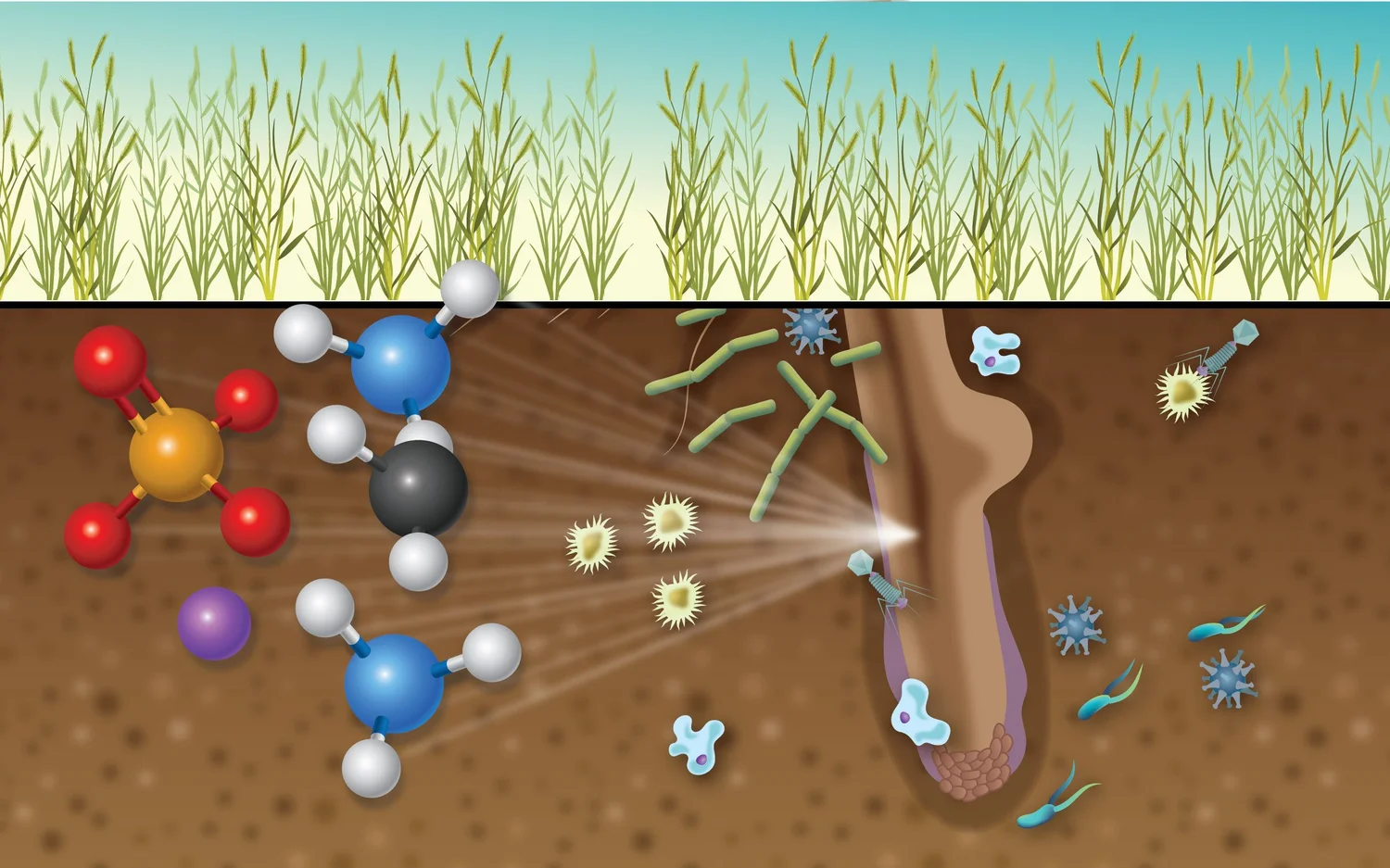
Feeding soil microbes pays off in every stage of the season, from emergence to decomposition after harvest.
We test before and throughout the season so you can see the change in your own ground.